Think

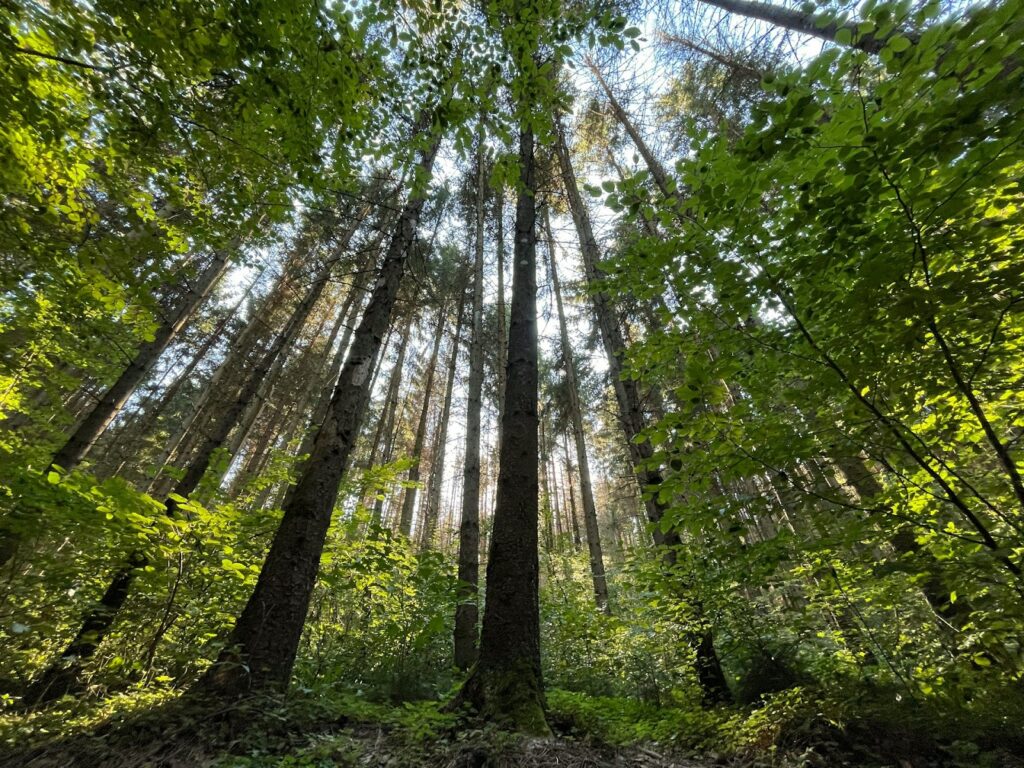
A shot of a forest filled with trees taken as the sun is setting

What’s the Meaning of FSC Certification?

Ever wondered what the FSC certification means? It stands for the Forest Stewardship Council, ensuring that products come from responsibly managed forests. FSC certification guarantees that the wood or paper in your products is sourced sustainably, protecting forests, wildlife, and local communities. By choosing FSC-certified products, you’re supporting environmental conservation and ethical production practices. Join us as we explore the significance of FSC certification and how it helps create a more sustainable future.

What’s the Meaning of FSC Certification? Read More
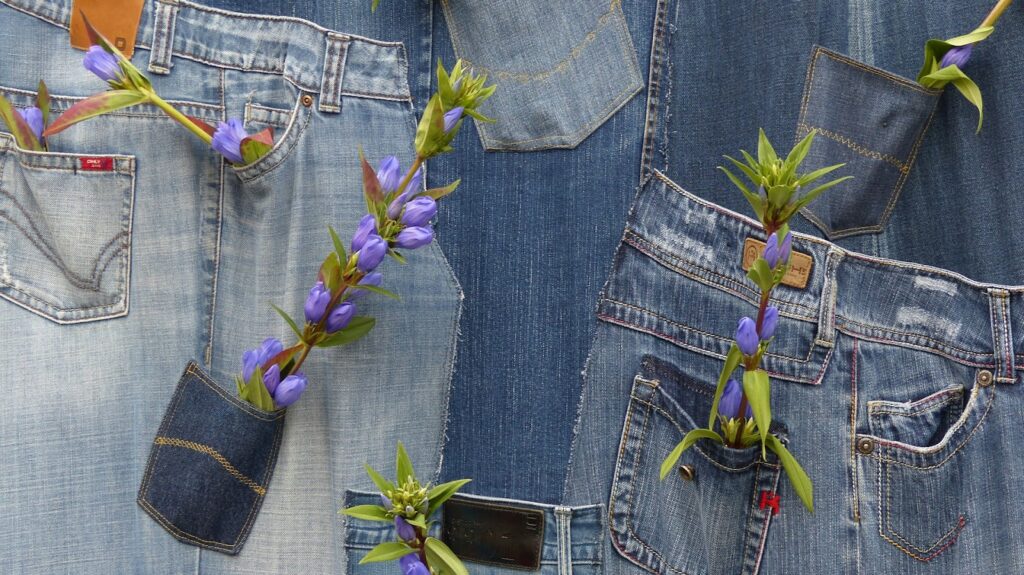
A close-up of jean pockets with a small green plant tucked inside each

OEKO-TEX: A Label You Need to See

Ever wonder if your clothes are safe and eco-friendly? The OEKO-TEX certification guarantees that textiles are free from harmful chemicals and produced sustainably. This label means rigorous testing and adherence to strict environmental and social criteria. Look for OEKO-TEX-certified products to ensure you’re making responsible, health-conscious choices for your wardrobe.

OEKO-TEX: A Label You Need to See Read More

Global Organic Textile Standard

Global Organic Textile Standard: Why is GOTS Worth Getting?

The Global Organic Textile Standard (GOTS) is the leading certification for organic fibers, ensuring textiles meet high environmental and social criteria. From organic farming to fair labor practices, GOTS covers every step of production. Choosing GOTS-certified products means supporting eco-friendly and ethically produced textiles, making a positive impact on both the planet and workers’ lives.

Global Organic Textile Standard: Why is GOTS Worth Getting? Read More

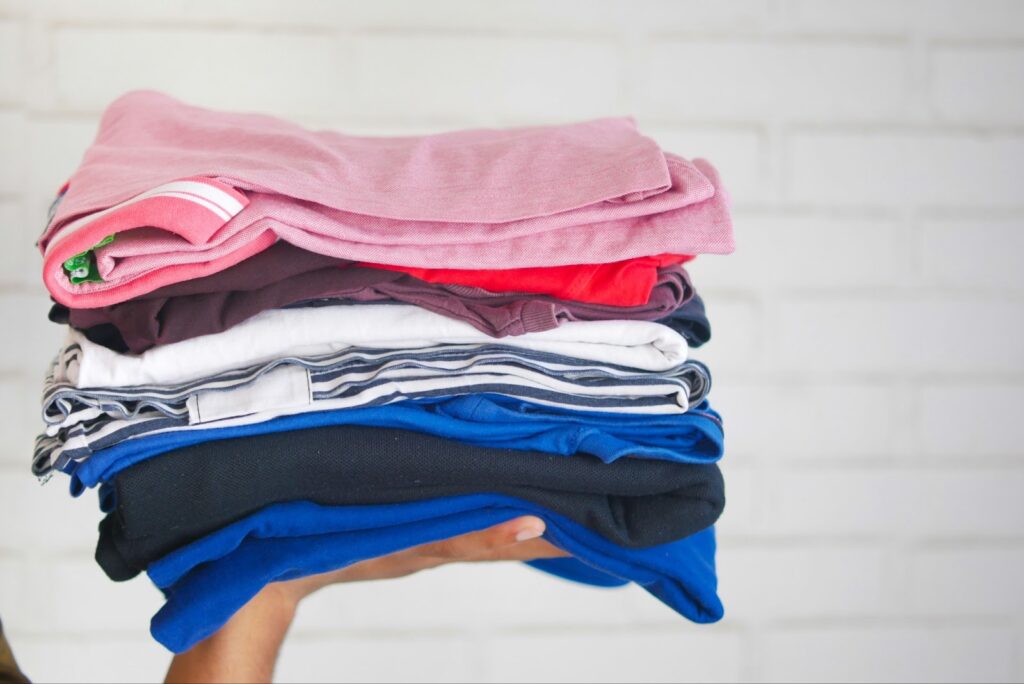
A person holding a pile of folded laundry

Does Lyocell Shrink?

Are you tired of your clothes shrinking in the wash? Discover the truth about lyocell, a sustainable fabric known for its softness and durability. Does lyocell shrink? Generally, pure lyocell is resistant to shrinking, but blends with other fibers might behave differently. Always follow care instructions, wash in cold water, and use low heat when drying to keep your lyocell garments looking their best.

Does Lyocell Shrink? Read More

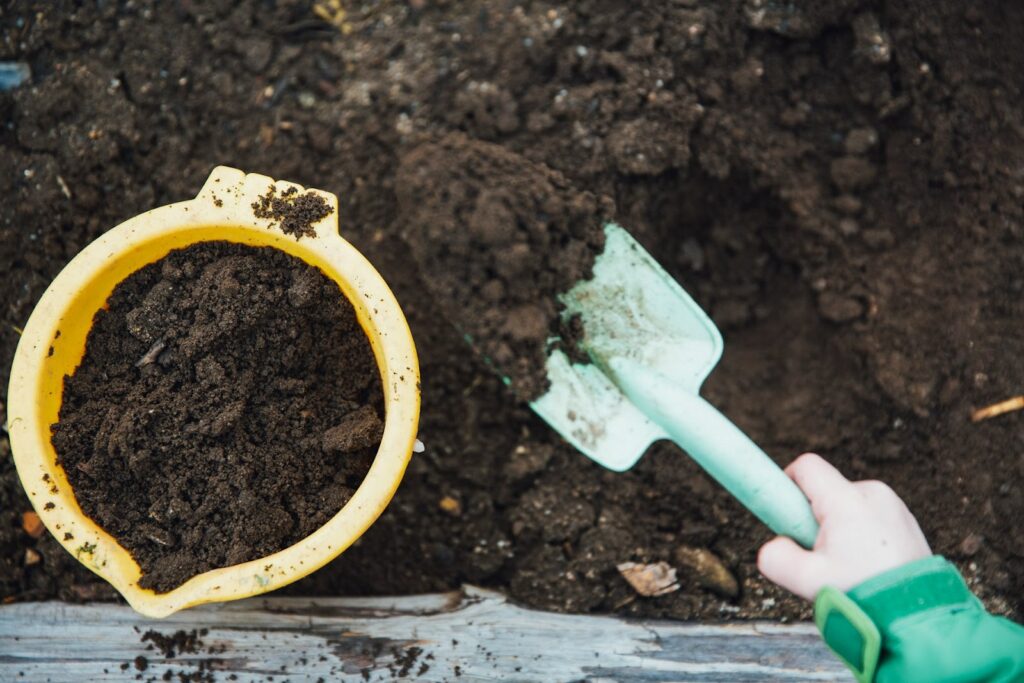
A child shovels a mound of compost and soil into her bucket

What Does “Compostable” Mean? A Guide for Consumers

Composting is a great way to minimize organic waste and its impact on the environment. Compostable items are organic materials that break down into nutrient-rich soil within a few months. This process involves microorganisms that decompose the waste into humus, which is beneficial for the soil. Understanding the difference between compostable and biodegradable items is crucial, as compostable products fully decompose without leaving harmful residues. Learn how to set up a home composting system and make sustainable choices for a healthier planet.

What Does “Compostable” Mean? A Guide for Consumers Read More

A beautiful sea turtle swimming in the ocean.

How to Help the Sea Turtles in Everyday Life

Sea turtles play a crucial role in maintaining the health of marine ecosystems, but many species are endangered due to human activities. Climate change, pollution, and fishing bycatch are significant threats. You can help save sea turtles by reducing plastic use, supporting sustainable seafood, and spreading awareness. Small actions can make a big difference in preserving these majestic creatures and their habitats.

How to Help the Sea Turtles in Everyday Life Read More

How to help save the monarch butterflies

How to Help the Monarch Butterflies 

Monarch butterflies are crucial pollinators facing threats from habitat loss, pesticides, and climate change. Their population has decreased by up to 90% in the last 30 years. To help save them, you can plant native milkweed, avoid harmful pesticides, and support conservation initiatives. Every small action can make a significant impact on their survival and the health of our ecosystems.

How to Help the Monarch Butterflies  Read More

How to conserve trees

How to Conserve Trees Each Day 

Trees are vital for maintaining a healthy planet, absorbing carbon dioxide, conserving water, and providing habitats for wildlife. Despite their importance, deforestation remains a significant threat. Learn how you can make a difference through recycling, planting trees, reducing meat consumption, and using sustainable products. Together, we can combat tree loss and promote a greener future.

How to Conserve Trees Each Day  Read More

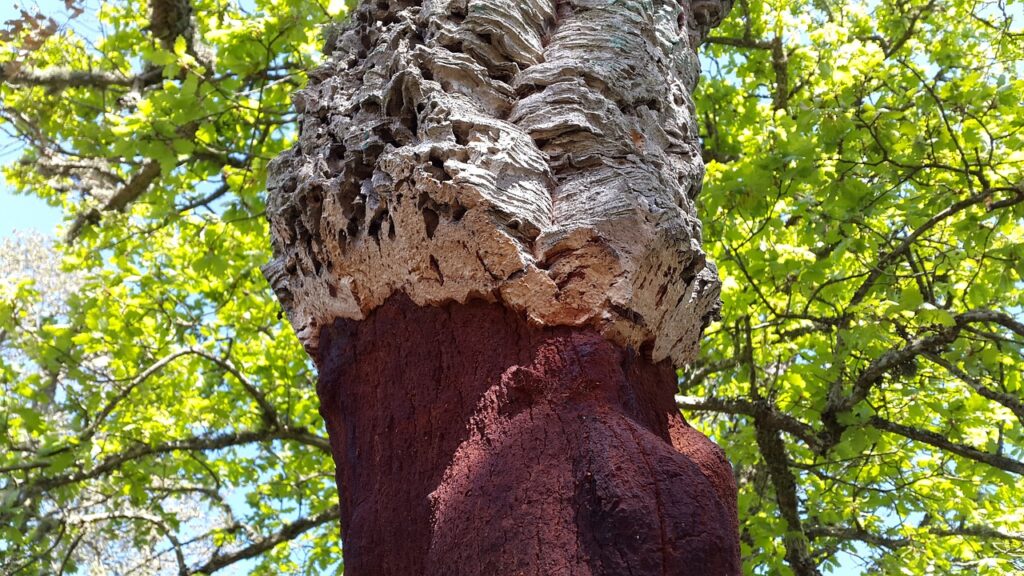
A cork tree with bark that has been harvested

Are Cork Trees Endangered: Myth or Truth?

Cork, derived from the bark of the cork oak tree, is far more than just a wine stopper. It’s a sustainable marvel, resilient and versatile. Despite misconceptions of a shortage, cork trees thrive in Mediterranean regions. Each decade, their bark regrows, ensuring a continuous, renewable supply. From insulation to fashion, cork’s eco-friendly properties make it a preferred choice, supporting local economies and environmental conservation efforts.

Are Cork Trees Endangered: Myth or Truth? Read More

A hand pressing down on a memory foam pillow made with polyurethane

What is Polyurethane?

Polyurethane is a highly versatile and popular industrial polymer used in foams, coatings, and insulators. Developed by Dr. Otto Bayer in 1937, it has become a staple in many household items like mattresses and pillows due to its flexibility, stability, and ease of synthesis. However, its production involves petroleum, raising environmental concerns, and it can pose health risks if not properly handled. Researchers are now exploring bio-derived alternatives to make polyurethane more sustainable and safer for both the planet and consumers.

What is Polyurethane? Read More

Scroll to Top